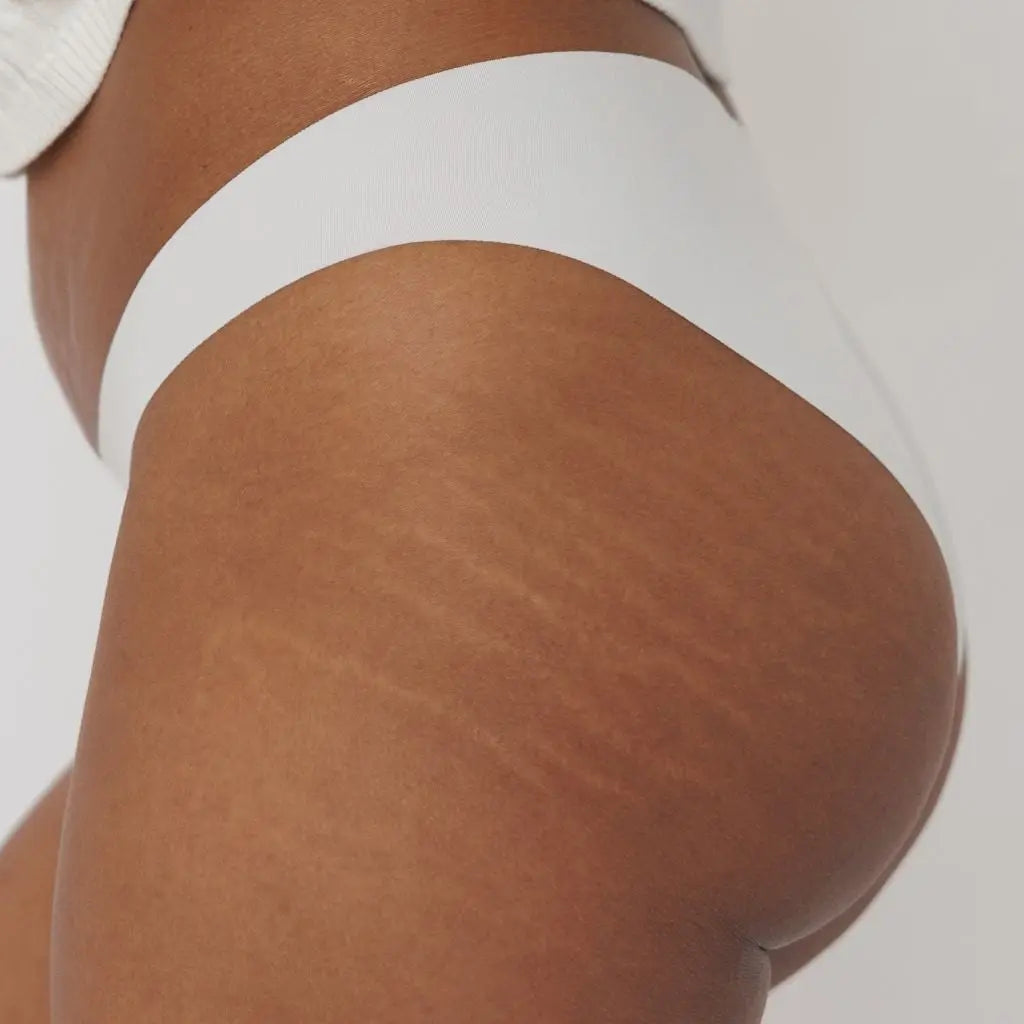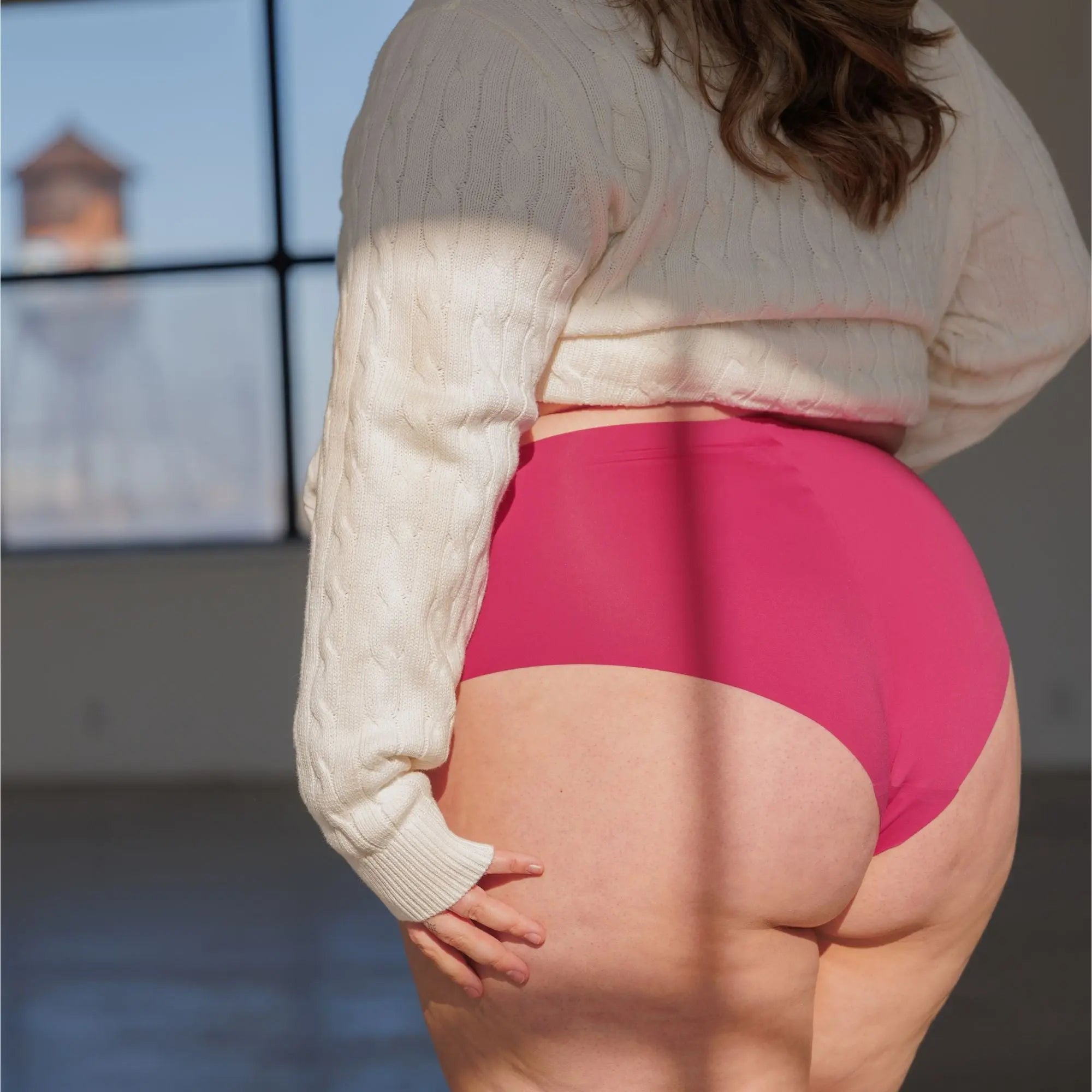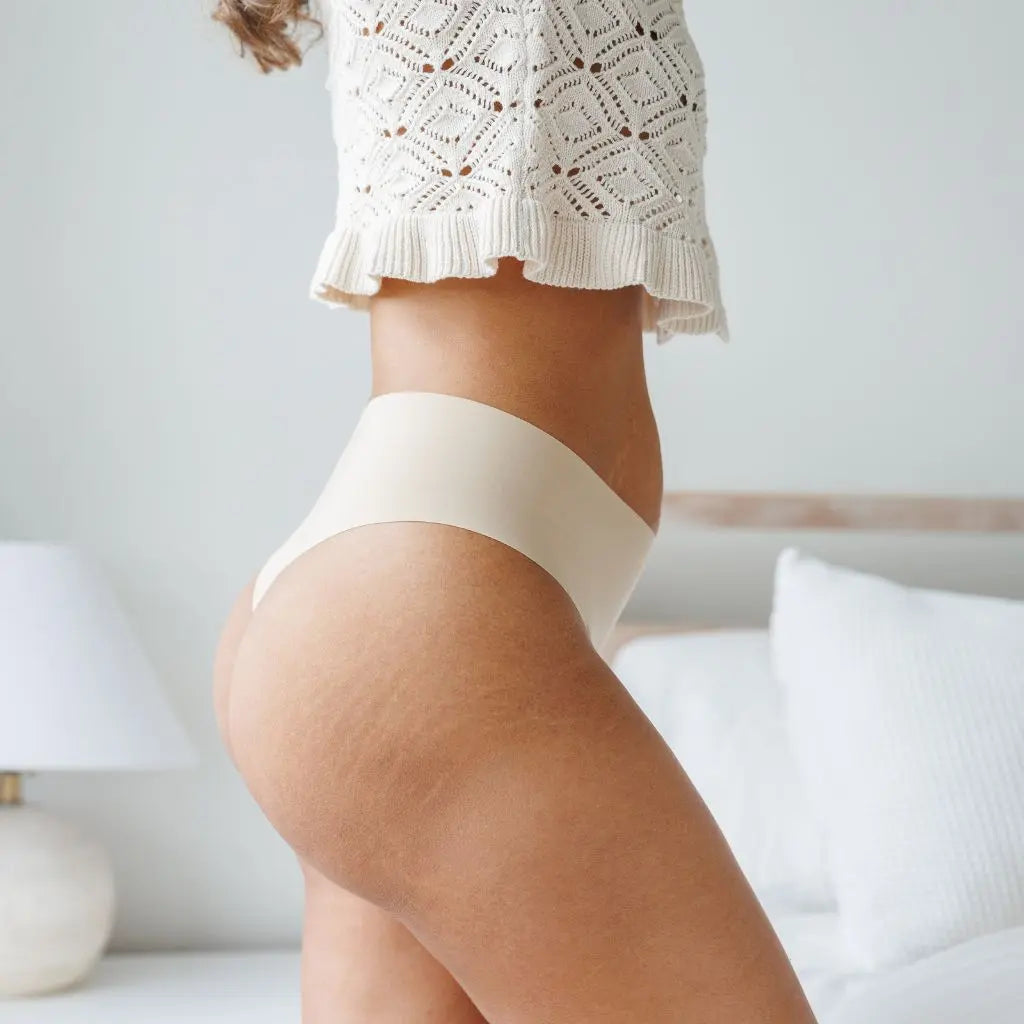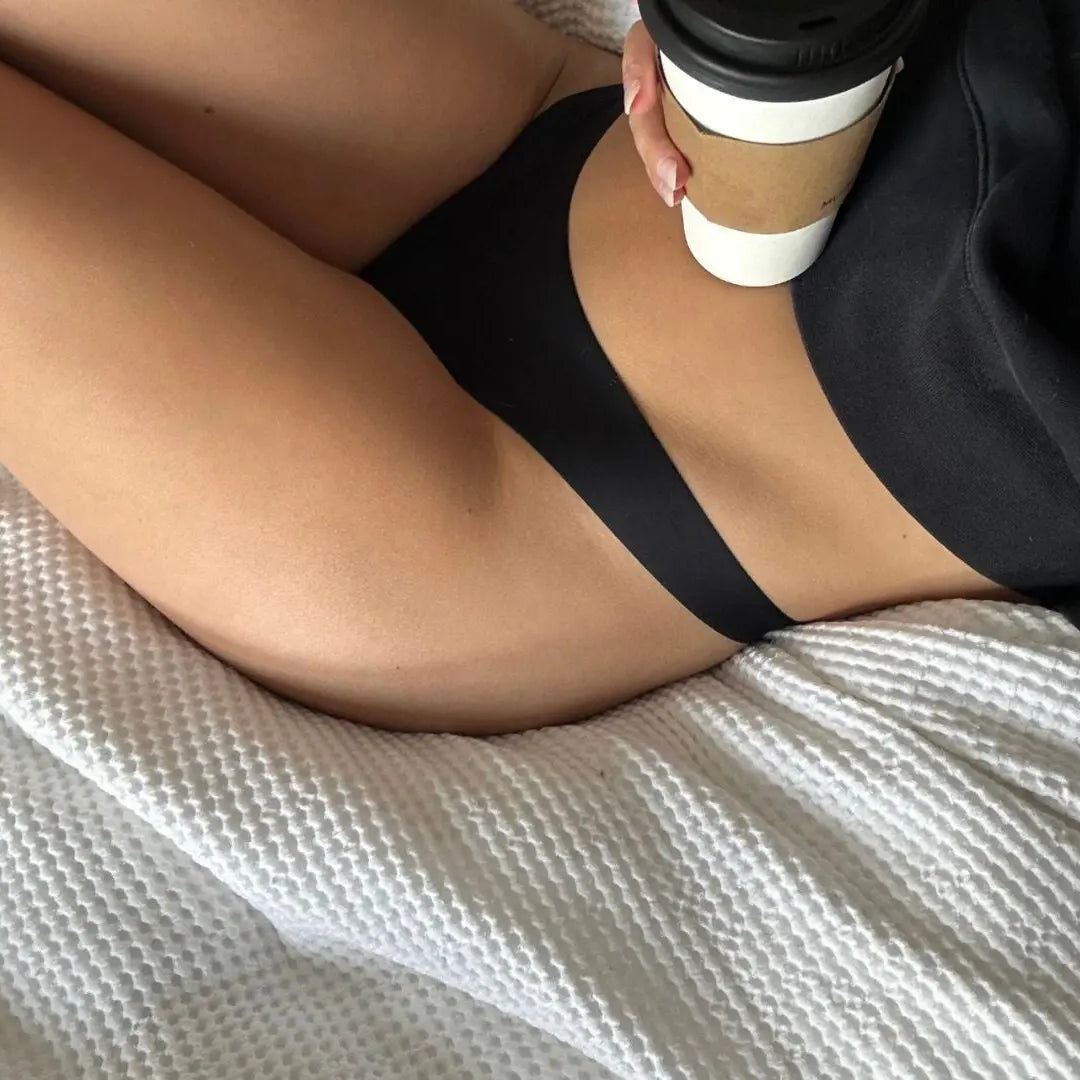

Choosing the right size of seamless underwear is one of the most frequent questions from our customers, especially when making a first online purchase. A size too large will slip and lose its second-skin effect. A size too small will compress and may leave marks despite the absence of seams.
Here's everything you need to know to make the right choice from your first purchase.
Why size is even more important with seamless underwear
With ordinary underwear, a slight inaccuracy in sizing is often compensated by the fabric structure or seams. With seamless underwear, it is the elasticity of the fabric itself that provides support. A size too large will not be rescued by an additional elastic band: it will simply slip.
This is why it is essential to rely on your actual size rather than taking a size up as a precaution.
How to find your size at LICA Wear
Refer to your numeric pant size
The most reliable way to find your size at LICA Wear is to refer to your numeric pant size, which is the DENIM or US column in our size chart. This reference is more accurate than S/M/L sizes, which vary from brand to brand.
Never go up a size
Our fabric is made of 37% elastane, a significantly higher percentage than the market average. This high elasticity means the fabric naturally adapts to the body without the need to go up a size. Going up a size will result in underwear that slips or rolls, the opposite of what you're looking for.
If in doubt between two sizes
If you are between two sizes, opt for the smaller one. The stretchy fabric will adapt perfectly, and a slightly snug fit will stay in place all day long.
Why our chart was adjusted
At LICA Wear, the size chart was developed based on concrete feedback from our community. A survey of our customers allowed us to collect real data on their measurements and their usual pant size.
This work allowed us to refine our chart so that it is representative of the diversity of our customers' body shapes, and not only based on generic standards. The result is a more precise size correspondence, which takes into account how our fabric actually behaves when worn.
The role of fabric in size selection
Our seamless panties are made of 63% nylon and 37% elastane. This composition offers 360-degree elasticity, allowing the fabric to adapt to the body's curves without compressing.
This level of elasticity means that the panty naturally adjusts to the body shape, in both directions. But it also has a limit: if the size is too large, the fabric will not have the necessary tension to hold the panty in place.
To learn more about the fabric composition and its impact on comfort, check out our guide to comfortable underwear materials.
Styles and their specificities
Each style of seamless underwear can behave slightly differently depending on body shape.
The seamless thong is the snuggest style. If you're hesitant between two sizes, the smaller one is almost always the right choice.
The seamless high-waisted thong offers more contact surface with the body, which naturally gives it good support. The standard size fits well in most cases.
The seamless Brazilian and seamless bikini panty cover more of the buttocks, which gives them more natural stability. Still stick to your usual size.
What can make the choice difficult
Sizes vary by brand
A size M from one brand does not necessarily correspond to an M from another. This is why we always recommend referring to the numeric values in the chart rather than the letters.
Body shape influences support
More pronounced hips or a thin waist can influence how a panty behaves. The high-waisted thong is often recommended for A-shaped body types (hips wider than shoulders) because its higher band offers better anchoring. To understand which style best suits your body shape, check out our complete guide to seamless panty styles.
FAQ
Do LICA Wear panties run large or small? Our panties generally run true to standard sizes. Some customers find them slightly more generous than other brands. This is why we recommend referring to the numeric pant size rather than S/M/L letters, and never going up a size.
Can I rely on my usual underwear size? Yes, in most cases. If your usual size is between two sizes in other brands, opt for the smaller one at LICA Wear. Our high-elastane fabric will adapt perfectly.
How do I take my measurements to choose my size? Measure your hip circumference at the widest point and your waist circumference at the narrowest point. Refer to these measurements in our size chart to find your exact size. If in doubt, our customer service is available to help you.