
The underwear drawer is often the least organized one in the dresser. Pairs get stuffed in without really being folded, you can never find the right color when you need it, and you end up wearing the same ones over and over because they're on top of the pile. Yet a well-organized drawer makes a real difference day to day: you waste less time in the morning, you rotate all your pairs instead of just your favorites, and you better preserve the quality of the fabric.
This guide covers everything you need to know to organize your seamless underwear drawer in a way that's simple, lasting and adapted to different space constraints.
Why drawer organization affects how long seamless underwear lasts
An overstuffed or disorganized drawer isn't just a looks problem. For nylon and spandex seamless underwear, storage conditions have a direct impact on how long the fabric lasts.
A drawer that's too full creates constant friction between pieces. The laser-cut edges of seamless underwear, which are exactly what make it invisible under clothes, can wear or lose their shape from repeated contact with zippers, rough fabrics like denim, or other clothes piled up in a jumble. A dedicated space, separate from other clothing, protects these delicate finishes.
Storing pairs flat, rather than rolled up or crumpled in a ball, also lets the spandex keep its structure between wears. Seamless underwear stored in a ball for several days can pick up creases or lose a bit of its shape, especially if the drawer is packed tight. It usually isn't permanent, but it's unnecessary stress on the fibers.
Finally, an organized drawer naturally encourages you to rotate your pairs. When all your underwear is visible and easy to reach, you wear every pair evenly instead of always going back to the same ones. Rotation is one of the simplest habits for extending the life of each piece: elastic fibers need time to recover between wears. The article on why seamless underwear loses its stretch explains this in detail.
Step one: take stock of what you have
Before you organize, you need to know what you're organizing. Emptying the drawer completely is the best place to start. It lets you do three things at once: spot the pieces that need replacing, see how many pairs you really have, and start fresh.
For each pair, ask yourself two questions: does it still stay put throughout the day? Has the fabric kept its original stretch and softness? If the answer to either is no, it's time to replace it. Underwear that slips, has lost its bounce or whose edges have started to fray won't get its original qualities back, even with perfect storage.
For guidelines on the ideal number of pairs to own and the signs that it's time to refresh your collection, the article on how many pairs of underwear you really need offers useful practical pointers.
How to fold seamless underwear to make the most of your space
How you fold directly affects how much room you have in the drawer and how easy it is to find the right pair. For nylon and spandex seamless underwear, some approaches work better than others.
The classic flat fold
This is the simplest method and the one that best preserves the shape of seamless underwear. Fold the pair in half widthwise, then in thirds lengthwise to get a compact rectangle. Then line the rectangles up side by side in the drawer, standing upright if the drawer is deep enough, so you can see every pair at a glance without digging.
This method, popularized by minimalist organizing approaches, works especially well for seamless underwear because the fabric is thin and flexible: the rectangles you get are compact, stable and easy to grab without undoing the fold next to them.
The roll
For shallow drawers or very tight spaces, rolling your underwear instead of folding it can be an effective alternative. Roll the pair up on itself widthwise to get a small, compact cylinder. Then store the rolls upright, side by side, like sushi.
This method takes up less height than the classic fold and also lets you see every pair at once. It's especially handy for extra drawers or small storage spaces. The stretchy fabric of seamless underwear handles this method very well, with no marks or loss of shape.
What to avoid
Stacking your underwear flat, one pair on top of the other, is the least practical method. You only see the top pair and end up rummaging every morning and undoing your organization. Tucking pairs inside each other, the way people sometimes do with socks, can also stretch out the laser-cut edges of seamless underwear and leave marks on the fabric. It's a method to avoid for delicate pieces.
Organizing by style, color or use: which approach to choose
Once your underwear is folded, the question is how to arrange it in the drawer. Several approaches work, and the best choice depends on how many pairs you have, the size of your drawer and your own habits.
By cut
If you have several styles of seamless underwear, grouping them by cut is often the most practical approach day to day. One section for thongs, one for Brazilian briefs, one for bikini briefs. It makes it easy to choose quickly based on your outfit: you know right away where to find the thong for Wednesday's bodycon dress or the Brazilian for a casual day.
By color
Organizing by shade is useful when you have several pairs in the same cut. Nude and beige shades on one side for light-colored outfits, bright and seasonal colors on the other, black in the middle for dark outfits. This setup helps you quickly find the right color for your outfit without turning the whole drawer upside down.
By how often you wear them
If you have a lot of pairs, organizing by how often you wear them can also make sense. Everyday pairs at the front of the drawer, limited editions or seasonal colors at the back, and spare pairs set aside for travel in a separate section. This approach cuts down the time spent searching every morning and protects less-worn pieces from constant friction.
Useful storage accessories for an underwear drawer
A bare drawer with no dividers works, but a few simple accessories make it easier to get organized and stay that way.
Drawer dividers, available at most home organization stores, let you create separate zones in a single drawer. For seamless underwear, choose dividers with smooth or fabric edges rather than rigid plastic: the laser-cut edges of nylon-spandex fabric don't catch on smooth surfaces, but they can wear against rough plastic edges or sharp corners.
Small open boxes or fabric bins are another effective option, especially for deep drawers where upright pairs can tip over. One bin per style or per color keeps things organized even when you grab a pair and put things back in a rush in the morning.
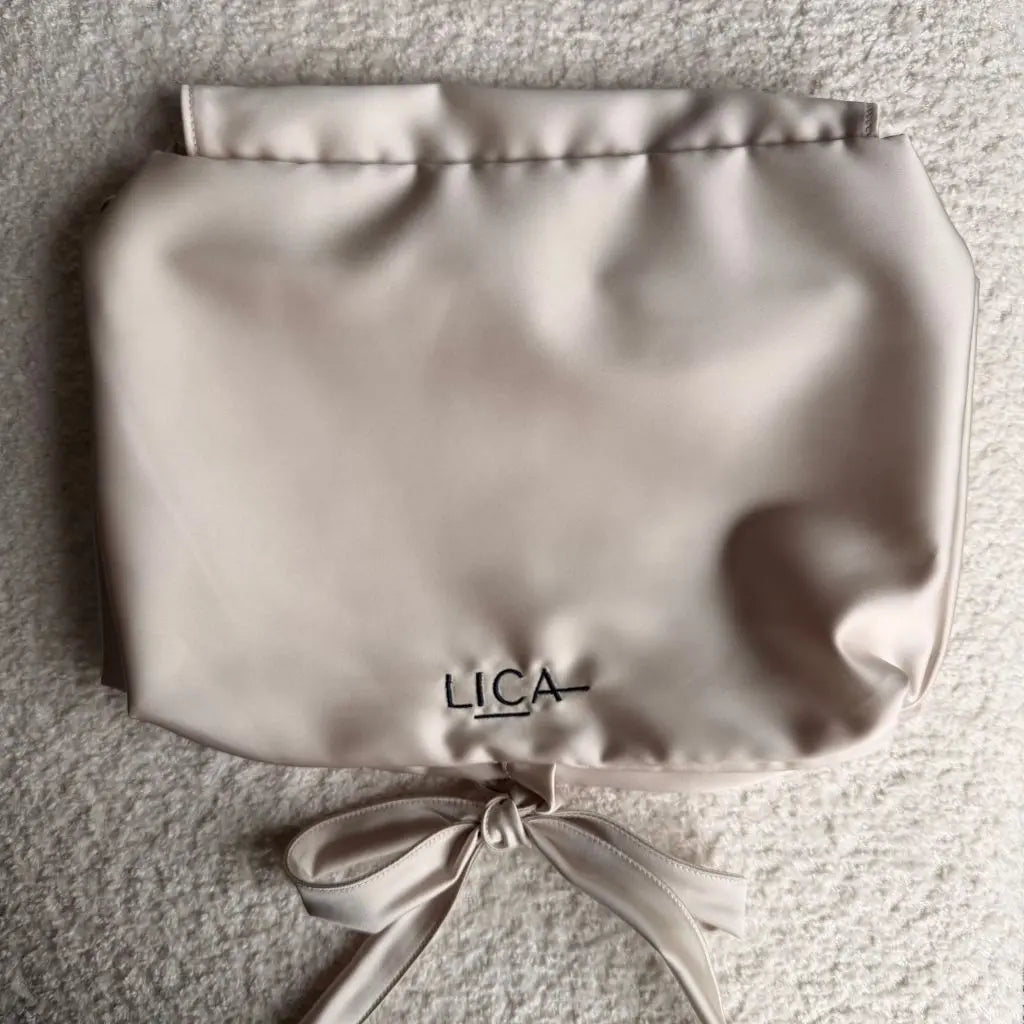
For trips and time away, a dedicated underwear pouch lets you keep clean and worn pairs separate, recreating your drawer system in a portable format. The article on seamless underwear for travel covers this with practical tips for trips of a few days.
What not to store with your seamless underwear
The underwear drawer is often the catch-all at the top of the dresser. A few things are better kept separate to protect your seamless underwear.
Denim or rough-fabric clothing creates friction that wears down fine nylon-spandex fibers and can snag the laser-cut edges. If your underwear drawer is shared with other items, use a divider or a small box to keep your seamless underwear apart.
Accessories with metal clasps, hooks or Velcro, like some thin belts or lingerie accessories, can snag and damage the fabric of your underwear. These pieces deserve their own compartment.
Scented products placed directly in the drawer, like some sachets or scented drawer liners, can leave oils on the fabric, alter the properties of the cotton gusset or cause irritation. If you want your drawer to smell nice, an empty perfume bottle or a well-sealed fabric sachet placed outside the underwear compartments is a gentler option.
Keeping your drawer organized over time
An organized drawer doesn't stay organized on its own. A few simple habits keep the system in place without any real effort.
Putting each clean pair back in its spot instead of tossing it loose into the drawer takes a few seconds but makes all the difference over time. Placing clean pairs at the back of each section and taking the next ones from the front naturally keeps your rotation even without having to think about it.
A quick check twice a year, ideally in spring and fall, lets you remove pieces that need replacing and add new seasonal colors without overloading the drawer. It's also a chance to make sure your pairs are keeping their stretch and shape, and to replace them if they aren't.
For everything about the care that comes before storage (washing, drying and folding after each load), the complete seamless underwear care guide covers each step in detail. And to understand why good storage conditions extend the life of the fabric just as much as proper care, the guide to invisible underwear explores the properties of nylon-spandex fabric that are worth preserving.
FAQ: organizing your underwear drawer
Is it better to fold or roll seamless underwear for storage?
Both methods work well for nylon and spandex seamless underwear. The flat rectangle fold is ideal for standard-depth drawers and better preserves the shape of the laser-cut edges. The roll is more compact and suits shallow drawers or tight spaces. Either way, the goal is to store pairs upright rather than stacked so you can see all your underwear at a glance. What to avoid: tucking pairs inside each other, which can stretch out the edges, and cramming them in balls, which creases the stretchy fabric.
Can an overstuffed drawer damage seamless underwear?
Yes, eventually. An overloaded drawer compresses your underwear and creates constant friction between pieces, which gradually wears down the nylon-spandex fibers and the laser-cut edges. For seamless underwear, whose finishes are exactly what make it invisible under clothes, that repeated friction can degrade the edges faster than improper care. A drawer with enough room is all it takes: your underwear shouldn't have to be squashed to fit in the compartment.
Should seamless underwear be kept separate from other underwear in the drawer?
It's not a must, but it's recommended if the drawer also holds pieces with thick seams, fasteners or rough fabrics. Nylon and spandex seamless underwear is sensitive to friction against these kinds of surfaces. A separate compartment or a simple drawer divider is enough to keep it apart and prevent premature wear of the fibers and finishes. If the whole drawer is dedicated to seamless underwear, no extra separation is needed.
Organizing your underwear drawer is a simple step with two concrete benefits: saving time every morning by finding what you're looking for right away, and extending the life of your seamless underwear by storing it in good conditions. Flat fold or roll, organizing by style or by color, drawer dividers or fabric bins: the best system is the one you keep up naturally, day to day, without any special effort.